
Introduction
Software development in 2026 is no longer just about writing code—it’s about orchestrating ideas with AI.
With the rise of AI tools, developers can now move from concept to product faster than ever. But speed alone isn’t enough. Without structure, AI-generated work can quickly become messy, inconsistent, or unusable.
That’s where the Idea → PRD → Build loop comes in.
It’s a simple yet powerful framework that helps you:
-
- Turn raw ideas into structured plans
-
- Guide AI effectively
-
- Build scalable, production-ready applications
So the real question is:
How do you use AI without losing control of your product?
Let’s break it down.
What is the Idea → PRD → Build Loop?
The Idea → PRD → Build loop is a structured workflow that transforms:
Idea → Clear Requirements → Working Product
Instead of jumping straight into coding, you move through three critical stages:
-
- Idea – Define what you want to build
-
- PRD (Product Requirements Document) – Structure the idea
-
- Build – Execute using AI and tools
This loop ensures:
-
- Clarity before execution
-
- Better AI outputs
-
- Faster iterations
Step 1: Idea — Start with Clarity, Not Code
Every product begins with an idea—but most ideas are vague.
 “Build a productivity app”
 “Build a daily task manager for students with reminders and progress tracking”
The quality of your idea determines the quality of your output.
What a Good Idea Includes:
-
- Target user
-
- Core problem
-
- Key features
-
- Expected outcome
Example:
“Create a web app that helps college students manage assignments with reminders and deadlines.”
This is clear, focused, and actionable.

Step 2: PRD — Turn Ideas into Structured Instructions
This is the most important step—and the one most people skip.
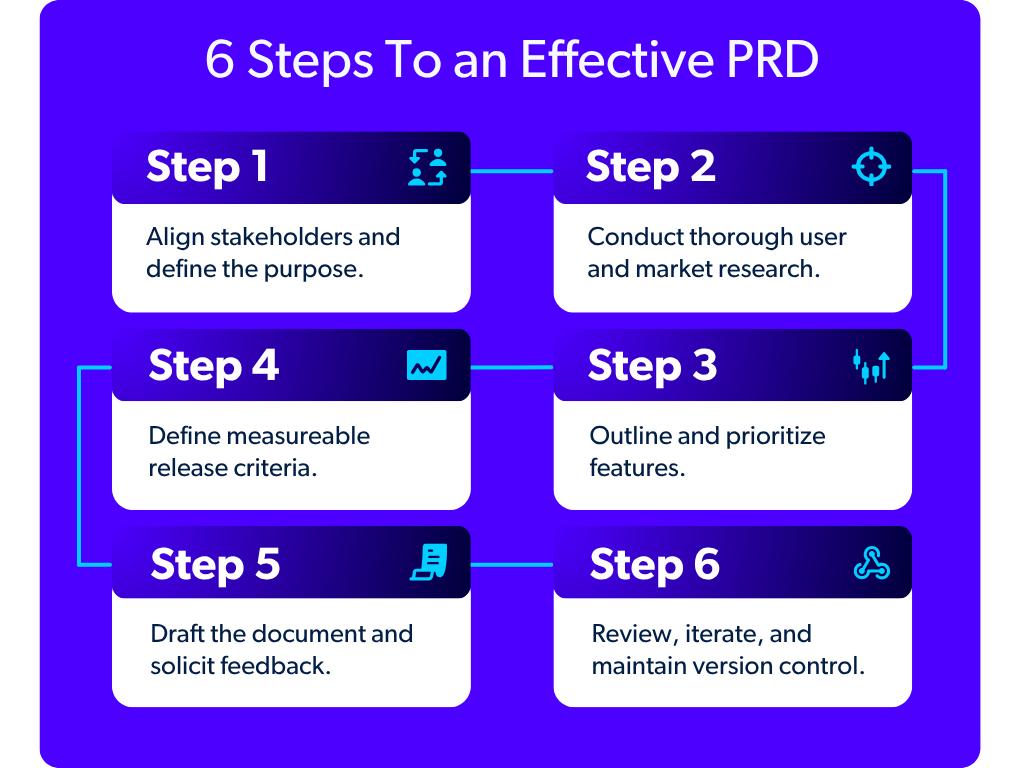
A PRD (Product Requirements Document) acts as a blueprint for both developers and AI tools.
Why PRDs Matter in AI Development:
-
- AI performs better with structured input
-
- Reduces hallucinations and errors
-
- Ensures consistency across features
Basic PRD Structure:
1. Overview
What the product does
2. Target Users
Who it is for
3. Features
List of functionalities
4. User Flow
How users interact with the app
5. Tech Requirements
Languages, frameworks, APIs
Example PRD (Simplified)
Product: Student Task Manager
Users: College students
Features:
-
- Add/edit/delete tasks
-
- Deadline reminders
-
- Progress tracking
Tech Stack:
-
- Frontend: HTML, CSS, JS
-
- Backend: Node.js
Now your idea is no longer vague—it’s executable.
Step 3: Build — Execute with AI (Smartly)
Now comes the execution phase.
Instead of coding everything manually, you can use AI tools to:
-
- Generate code
-
- Debug errors
-
- Improve UI/UX
-
- Optimize logic
Example Prompt:
“Build a task manager app using HTML, CSS, and JavaScript with add, delete, and reminder features.”
AI will generate the base code—but your PRD ensures:
-
- Correct structure
-
- Relevant features
-
- Better results
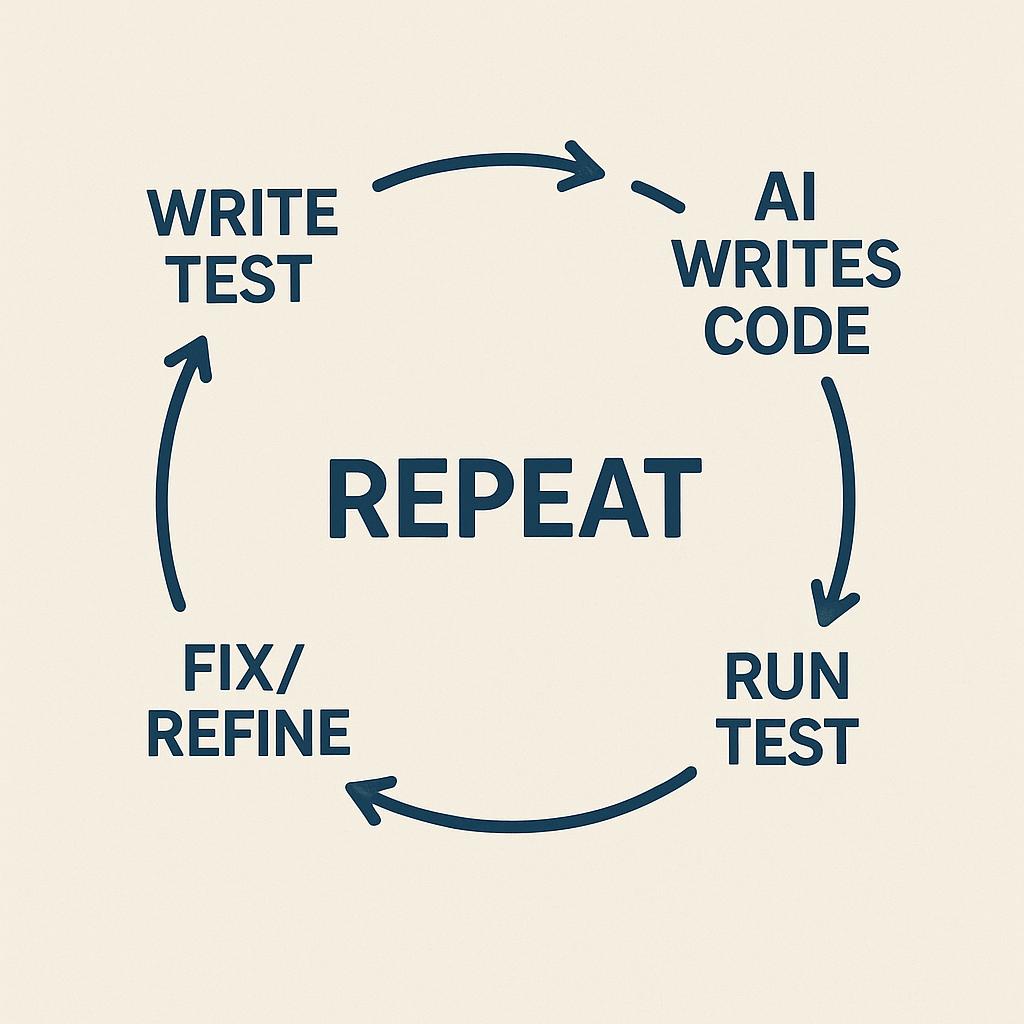
The Real Power: Iteration Loop
This process is not linear—it’s a loop.
Idea → PRD → Build → Refine → Repeat
After building:
-
- Identify gaps
-
- Update PRD
-
- Improve output
Example Iteration:
-
- Add notifications
-
- Improve UI
-
- Optimize performance
This is how real products evolve.
Common Mistakes in AI-Assisted Development
Skipping the PRD
Leads to messy, inconsistent outputs
Writing vague prompts
AI needs clarity, not assumptions
Expecting perfect output
AI requires iteration
Not reviewing generated code
You still need to think critically
Tools That Fit This Workflow
Different tools help at different stages:
Idea Stage:
-
- Notion
-
- ChatGPT / Claude
PRD Stage:
-
- Notion
-
- Google Docs
Build Stage:
-
- GitHub Copilot
-
- Replit
-
- Bolt.new
The key is not the tool—it’s the workflow.
Why This Workflow Wins in 2026
The developers who succeed today are not just coders.
They are:
-
- System thinkers
-
- Problem solvers
-
- AI collaborators
This loop allows you to:
-
- Build faster
-
- Reduce errors
-
- Maintain clarity
-
- Scale efficiently
Future of Development: Thinking Over Typing
We are entering a phase where:
-
- Writing code is becoming easier
-
- Thinking clearly is becoming harder
Your competitive advantage is not syntax.
It’s structure + clarity + workflow.
Final Verdict
The Idea → PRD → Build loop is not just a method—it’s a mindset.
Instead of: Jumping into code
You: Think → Structure → Execute
Want to Master the Idea → PRD → Build Workflow?
Our AI Coding Workshop in Pune is designed to help developers and beginners learn:
• How to turn ideas into structured PRDs
• AI-assisted product development workflows
• Building scalable applications with AI
• Modern prompt-driven development systems
Workshop Link:
👉 https://semat.in/vibe-coding-workshop/
Conclusion
AI is transforming how we build software—but without structure, it creates chaos.
The Idea → PRD → Build loop gives you:
-
- Control
-
- Clarity
-
- Consistency
The future belongs to developers who don’t just use AI—
They guide it effectively.