
Introduction
The way we build software is changing faster than ever. In 2026, developers are no longer judged solely by how well they write syntax-heavy code. Instead, a new paradigm is emerging – Vibe Coding – where intent, creativity, and system thinking matter more than memorizing programming languages.
At the same time, low-code and no-code platforms continue to democratize development, enabling non-programmers to build fully functional applications.
This raises a critical question:
Is traditional syntax knowledge becoming irrelevant?
Let’s break it down.
What is Vibe Coding?
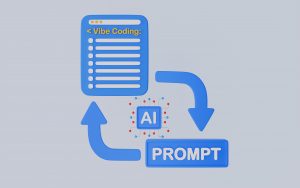
Vibe Coding is an emerging approach where developers describe what they want in natural language, and AI tools generate the code.
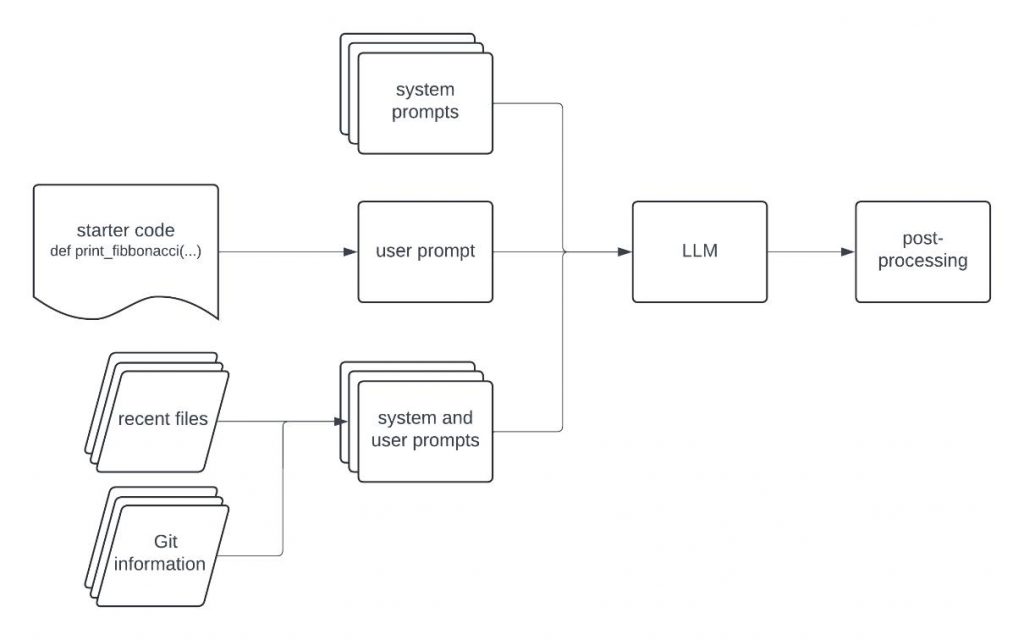
Instead of writing:
for i in range (10):
print(i)
You simply say:
“Create a loop that prints numbers from 0 to 9”
And the AI handles the rest.
Key Characteristics:
- Natural language-driven development
- Heavy use of AI tools (like code assistants)
- Focus on what to build, not how to code it
- Faster prototyping and iteration
Vibe coding shifts the developer’s role from coder to creator.
What is Low-Code Development?
Low-code platforms allow users to build applications using visual interfaces, drag-and-drop components, and minimal manual coding.
Popular Use Cases:
- Internal business tools
- Workflow automation
- MVP development
- Simple web/mobile apps
Key Features:
- Visual UI builders
- Pre-built templates
- Minimal scripting required
- Faster time-to-market
Low-code empowers both developers and non-developers.
Vibe Coding vs. Low-Code: Key Differences
| Feature | Vibe Coding | Low-Code |
| Approach | AI-driven | Visual/drag-and-drop |
| Flexibility | Very high | Moderate |
| Learning Curve | Low (natural language) | Low to medium |
| Customization | Deep (AI-generated code) | Limited by platform |
| Target Users | Developers, creators | Businesses, non-tech users |
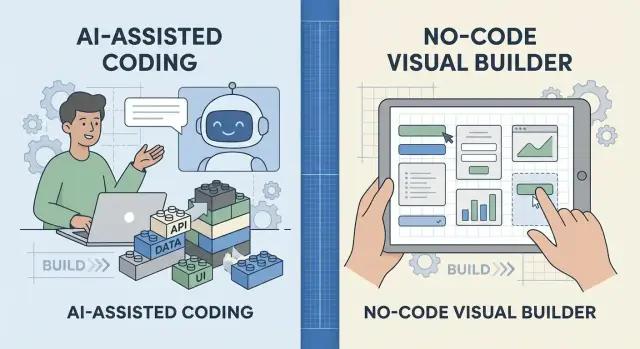
In simple terms:
- Vibe Coding = AI writes code for you
- Low-Code = You assemble apps visually
Why Traditional Syntax is Losing Importance
1. AI Writes Code Faster Than Humans
AI tools can generate, debug, and optimize code in seconds. Writing syntax manually is becoming inefficient.
2. Focus is Shifting to Problem-Solving
Companies now value:
- System design
- Logic building
- Product thinking
More than memorizing syntax rules.
3. Rapid Development is the New Standard
Startups and companies need:
- Faster releases
- Quick iterations
- MVPs in days, not months
AI + low-code makes this possible.
4. Accessibility is Increasing
Non-technical users can now build apps, reducing dependency on traditional developers.
Does This Mean Coding is Dead?
Short answer: No.
Coding is evolving, not disappearing.
Here’s why syntax still matters:
1. Debugging AI-Generated Code
AI isn’t perfect. Developers still need to understand code to fix issues.
2. Building Complex Systems
Low-code and AI tools struggle with:
- Scalable architectures
- High-performance systems
- Security-critical applications
3. Customization Beyond Limits
When platforms or AI fall short, manual coding becomes necessary.
4. Understanding “Why” Behind Code
Syntax knowledge builds a deeper understanding of:
- Algorithms
- Data structures
- System behavior
The New Skillset for Developers in 2026
Instead of focusing only on syntax, successful developers are mastering:
1. Prompt Engineering
Knowing how to communicate effectively with AI tools.
2. System Design
Understanding how different components interact.
3. Tool Mastery
Using AI tools, frameworks, and platforms efficiently.
4. Critical Thinking
Evaluating AI outputs and making better decisions.
5. Creativity & Product Thinking
Building solutions that actually solve real-world problems.
The Future: Hybrid Development
The future isn’t Vibe Coding vs. Low-Code.
It’s a combination of both.
Example Workflow:
- Use AI (Vibe Coding) to generate logic
- Use low-code tools to build UI
- Add custom code where needed
This hybrid approach is:
- Faster
- More efficient
- Highly scalable
Final Verdict: Is Syntax Knowledge Irrelevant?
No, but it’s no longer the main skill.
In 2026:
- Syntax = Tool
- Thinking = Power
Developers who rely only on syntax may fall behind.
Developers who understand systems, AI, and problem-solving will thrive.
Want to Learn AI-Assisted Development Practically?
Join our hands-on AI Coding Workshop in Pune and learn:
• Vibe coding workflows
• AI-assisted app development
• Prompt engineering for developers
• Building and deploying real-world applications with AI
Workshop Details:
👉 https://semat.in/vibe-coding-workshop/
Conclusion
The rise of Vibe Coding and Low-Code platforms marks a major shift in the tech industry. While traditional coding isn’t obsolete, its role is changing.
The future belongs to those who can:
- Think clearly
- Use AI effectively
- Build systems, not just write code
The question is no longer “Can you code?”
It’s “Can you create?”